One of the most beautiful stories in Catholic tradition tells how the humble carpenter St. Joseph was divinely selected to be the chaste spouse and protector of the Virgin Mary and earthly father to Jesus.  According to ancient Christian tradition (recorded in the Protoevangelium of James, c. 150 AD) and later popularized in The Golden Legend, when Mary reached the age of about 12–14 and could no longer remain in the Temple, the high priest gathered eligible men (widowers or descendants of David) from the tribe of Judah. Each was given a dry rod or staff and instructed to pray that God would reveal His chosen spouse for Mary through a clear sign. The men placed their rods before the altar. When Joseph, a modest, holy descendant of King David, took his staff last, a miracle occurred: a white dove flew out of his rod and rested upon his head. In many accounts, his staff also blossomed with flowers or a beautiful lily. The priests immediately declared: “Joseph, you have been chosen by lot to take the Virgin of the Lord into your keeping.”
  Venerable Mary of Ágreda, in her approved mystical work The Mystical City of God (Book 2, Chapter 22), describes it vividly: While the men prayed, Joseph’s staff blossomed, and “a dove of purest white and resplendent with admirable light” descended and rested on his head. Then God spoke interiorly to Joseph’s heart: “Joseph, my servant, Mary shall be thy Spouse; accept Her with attentive reverence, for She is acceptable in my eyes, just and most pure in soul and body, and thou shalt do all that She shall say to Thee.” Blessed Anne Catherine Emmerich, in her recorded visions, saw the priest hand Joseph a dry branch, which immediately “blossomed into a beautiful lily” as he grasped it, confirming him as God’s choice.
  Joseph humbly accepted, though he initially hesitated (feeling unworthy and noting he was older in some traditions). Mary, who had vowed perpetual virginity, revealed her consecration to God. Joseph, who had also vowed chastity from a young age, promised to guard and honor her vow. Their marriage was a true, holy union, virginal and chaste, founded on perfect obedience to God’s will. This divine selection reminds us that God chooses the humble and pure to accomplish His greatest works. St. Joseph became the faithful guardian of the Holy Family, the model of fathers, workers, and spouses. Saint Joseph, Most Chaste Spouse of the Virgin Mary, Pray for us!
Den 2 maj 2026, lördagAthanasios biskop och kyrkolärare
Läsningar: Apg 13:44-52, Ps 98, Joh 14:7-14
Den Helige Benedictus Kloster
Predikningar
Kortpredikan
Ingmar Svanteson 02/05
S. Athanasios, biskop och kyrkolärare
– Apg 13:44-52 Ps 98:1-4 Joh 14:7-14 –
Den helige Athanasios är kronvittnet för tron på Kristi Gudom. Je-sus själv vittnar om denna tro i dagerns evangelium: ”Den som har sett mig har sett Fadern.” Athanasios tillbringade sjutton år i landsflykt för denna tro.
Ordet inte bara visade sig som människa. Ordet antog vår kropp och själ, han blev människa. Utan inkarnationen hade människan inte kunnat förvandlas och gudomliggöras.
Men när Gud har antagit vår kropp och med den kroppen dött och uppstått från de döda, har döden inte längre den slutliga makten över människan.
”Genom att anta en kropp och genom uppståndelsens nåd ryckte Ordet människorna undan döden. Ordet förintade döden, som el-den förtär halmen.”
Arianismen, som förnekade Kristi Gudom, dyker upp i ständigt nya varianter. Jesus reduceras till profet, föredöme, terapeut eller det man menar sig behöva i en viss tid.
Det är ingen tillfällighet att Athanasios också skrev biografin om S. Antonios, munkväsendets fader, som påverkat och präglat klosterlivet i både öst och väst.
Paulus och Barnabas förkunnelse mitt i Mindre Asien väcker allt större glädje hos några, medan andra blir alltmer avvisande.
Målet är att gudsriket skall växa. Alltmer glädje och helig ande. Det gäller både kyrkan och lärjungen.
Låt oss ännu ivrigare be att Anden fullbordar sitt verk; det är Sonens verk i den heliga Kyrkan och bland sina lärjungar.
Skall Jesus en gång fråga oss som han frågade Filippos: ”Så länge var jag tillsammans med er och ändå kände du mig inte?”
Låt oss ta hela vår tro i besittning. Jesus säger: ”Tro mig när jag säger att jag är i Fadern och Fadern i mig”.
Den tro som den helige Athanasios gav sitt liv för.
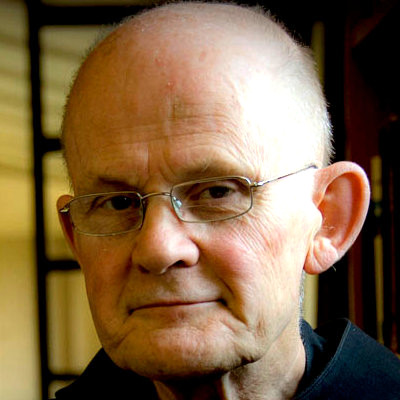
Ingmar Svanteson
Länkar:
* Breviar (norsk) - Tidebønnene
* Breviary (english) - The Divine Office
* Brewiarz (polski) - Liturgia Godzin
* Brevijar (hrvatski) - Božanski časoslov
* Brevier (deutsch) - Stundengebet
* Breviaire (français) - Liturgie des Heures
* Breviárium (magyarul) - Az Imaórák Liturgiája

Tidlösa i sin naturli
Tidlösan är giftig
En liten varning är på plats för hela plantan, men mest fröna, av tidlösa innehåller den giftiga alkaloiden colchin. Colhin kallas ibland för "vegetabilisk arsenik", då det är lika giftigt. Det är ovanligt med förgiftningar hos barn, men man kanske ska vara försiktig med hundvalpar kring tidlösa, samt med inomhuskatter om man driver plantor inne. Läs mer om symptom på Giftinformationen.
Tidlösa i sin naturliga miljö. Även i Sverige har den på sina håll spritt sig från trädgårdar.Öppna bild i helskärm
Supertipset: plommon + tidlösa = sant!
Ämnet colchicin, även det giftigt, återfinns i tidlösans lökar. Gift är inte enbart av ondo – förutom försöksanvändning inom cancerbehandling, har colchicin använts inom växtförädling. Trädgårdsmästare har länge använt sig av knepet att plantera tidlösa under fruktträd för att stimulera fruktsättningen. Speciellt under plommon och körsbär i gamla fruktträdgårdar kan man därför hitta mattor av tidlösa.ga miljö. Även i Sverige har den på sina håll spritt sig från trädgårdar.Öppna bild i helskärm
Supertipset: plommon + tidlösa = sant!
Ämnet colchicin, även det giftigt, återfinns i tidlösans lökar. Gift är inte enbart av ondo – förutom försöksanvändning inom cancerbehandling, har colchicin använts inom växtförädling. Trädgårdsmästare har länge använt sig av knepet att plantera tidlösa under fruktträd för att stimulera fruktsättningen. Speciellt under plommon och körsbär i gamla fruktträdgårdar kan man därför hitta mattor av tidlösa.
The Nine Choirs of Angels represent a heavenly hierarchy, Catholic teaching drawn from Sacred Scripture and the writings of saints such as Pseudo-Dionysius the Areopagite and Saint Thomas Aquinas. These pure spirits, created by God before the material world, are organized in three triads of three choirs each, reflecting their closeness to the Divine Throne and their roles in the divine plan. In the highest triad, closest to God, stand the Seraphim, whose name means the burning ones. They are aflame with love and ceaselessly cry out Holy, Holy, Holy before the Almighty. Next are the Cherubim, filled with perfect knowledge of God and guardians of divine mysteries. The Thrones complete this triad as living symbols of divine justice and stability, bearing the weight of Gods authority. The middle triad consists of the Dominions, who govern the lower angels and direct the execution of God's commands; the Virtues, who work miracles and uphold the natural order; and the Powers, mighty warriors who defend creation against demonic forces and maintain cosmic balance. The lowest triad includes the Principalities, who watch over nations, kingdoms, and earthly leaders; the Archangels, glorious messengers such as Michael, Gabriel, and Raphael who deliver major revelations and lead the heavenly armies; and finally the Angels, who serve as personal guardians and ministers to individual souls. This sacred order reveals the beauty and harmony of God's creation. Every choir participates in the great work of praising the Creator and assisting humanity on the path to salvation. Through devotion to the nine choirs, especially in prayers like that to Saint Michael, the faithful seek their powerful intercession and strive to imitate their perfect obedience to the divine will.
Saint Athanasius, often titled Athanasius the Great or Athanasius the Confessor, stands as one of the most influential figures in early Christian history. Born around 296 to 298 in Alexandria, Egypt, he received a thorough education in Christian doctrine, Greek literature, and philosophy. He entered the service of the Church as a deacon and secretary to Bishop Alexander of Alexandria, accompanying him to the First Council of Nicaea in 325. This council addressed the Arian heresy, which denied the full divinity of Christ, and produced the Nicene Creed affirming the Son’s consubstantiality with the Father. Upon Alexander’s death in 328, Athanasius was elected Bishop of Alexandria at approximately age thirty. He held this position for forty-five years amid significant challenges. As the primary defender of Nicene orthodoxy, he opposed Arian teachings that portrayed Jesus as a created being rather than eternally divine. His steadfast advocacy led to five exiles under different Roman emperors, totaling more than seventeen years away from his see. These periods of banishment, often to remote regions such as the Rhineland or among desert monks, did not diminish his resolve. Instead, they allowed him to strengthen ties with ascetic communities and continue writing influential works. Athanasius authored several key theological texts that shaped Christian doctrine. Among them, ‘On the Incarnation’ articulated the purpose of Christ’s coming as the restoration of humanity to God. The ‘Life of St. Antony’ promoted monastic ideals by recounting the story of the Egyptian hermit. His ‘Four Orations Against the Arians’ systematically refuted Arian arguments. These writings earned him recognition as a Doctor of the Church in both Catholic and Orthodox traditions, highlighting his profound contributions to theology and pastoral leadership. Throughout his episcopate, Athanasius navigated political pressures, schisms such as the Meletian controversy, and imperial interference while maintaining pastoral care for the extensive Alexandrian patriarchate, which encompassed Egypt and Libya. He fostered connections with Coptic monks and emphasized the unity of the Church. After a final period of relative peace, he died in Alexandria on May 2, 373. His feast day is observed on this date. The legacy of Saint Athanasius endures as that of a courageous champion of Trinitarian faith. Often called the Father of Orthodoxy or Pillar of the Church, he ensured the survival and clarification of core Christian beliefs during a formative and turbulent era. His example continues to inspire theologians, clergy, and believers committed to doctrinal integrity.
My Guardian Angel O Guardian Angel, sent from the throne of God, my faithful companion from the cradle of my soul, stand beside me this now month of May, and every day that follows. Wrap me in the shadow of your wings when the sun burns too fiercely, and light my path when night swallows the stars. Whisper courage into my trembling heart when fear coils like smoke, and steady my hand when doubt would make it falter. Defend me in the unseen battles, where arrows of malice fly unheard; shield me from the snares of despair, and lift me when my knees buckle beneath the weight of sorrow. Guide every step through the wilderness of this world, through crowded streets and silent rooms, through laughter and tears, triumphs and falls. Let no moment slip from your watchful gaze, no breath escape without your blessing. Today, tomorrow, and beyond the edge of time, remain my sentinel, my advocate, my friend. Carry my prayers to the heart of Mercy, and bring Heaven’s peace to rest upon my soul. Amen.
♰ Psalm 24: The Lord Almighty is the King of Glory ♰ 1 The earth is the LORD’s, and the fullness thereof, the world and all who dwell therein. 2 For He has founded it upon the seas and established it upon the waters. 3 Who may ascend the hill of the LORD? Who may stand in His holy place? 4 He who has clean hands and a pure heart, who does not lift up his soul to an idol or swear deceitfully. 5 He will receive blessing from the LORD and vindication from the God of his salvation. 6 Such is the generation of those who seek Him, who seek Your face, O God of Jacob. 7 Lift up your heads, O gates! Be lifted up, O ancient doors, that the King of Glory may enter! 8 Who is this King of Glory? The LORD strong and mighty, the LORD mighty in battle. 9 Lift up your heads, O gates! Be lifted up, O ancient doors, that the King of Glory may enter! 10 Who is He, this King of Glory? The LORD of Hosts— He is the King of Glory.
In Catholic teaching, the Church carefully distinguishes three levels of reverence to maintain the proper order of honor owed to God, the Blessed Virgin Mary, and the saints. This distinction upholds the First Commandment while encouraging the devout practices that have marked Catholic life for centuries. The highest form, known as latria, is adoration and worship reserved for the Holy Trinity alone—Father, Son, and Holy Spirit. It is the supreme homage of mind, heart, and body that creatures owe to their Creator, expressed most perfectly in the Holy Sacrifice of the Mass. No created being, however exalted, may ever receive this worship. A special and singular veneration, called hyperdulia, is given to the Blessed Virgin Mary as the Mother of God. Because of her unique cooperation in the mystery of the Incarnation and her unparalleled holiness, the Church honors her above all other saints. This reverence acknowledges her role as the perfect disciple and the one closest to her Divine Son, yet it remains entirely distinct from the adoration given to God. Finally, dulia is the ordinary veneration offered to the angels and saints. These holy friends of God reflect His glory and intercede for us; we honor them as models of virtue and powerful advocates before the throne of grace. Through their example and prayers we are drawn closer to Christ. By observing these three levels with clarity and devotion, the faithful avoid confusion between Creator and creature while richly participating in the communion of saints. This balanced teaching nourishes true piety and leads the soul safely along the path of salvation.
One of the most beautiful stories in Catholic tradition tells how the humble carpenter St. Joseph was divinely selected to be the chaste spouse and protector of the Virgin Mary and earthly father to Jesus. According to ancient Christian tradition (recorded in the Protoevangelium of James, c. 150 AD) and later popularized in The Golden Legend, when Mary reached the age of about 12–14 and could no longer remain in the Temple, the high priest gathered eligible men (widowers or descendants of David) from the tribe of Judah. Each was given a dry rod or staff and instructed to pray that God would reveal His chosen spouse for Mary through a clear sign. The men placed their rods before the altar. When Joseph, a modest, holy descendant of King David, took his staff last, a miracle occurred: a white dove flew out of his rod and rested upon his head. In many accounts, his staff also blossomed with flowers or a beautiful lily. The priests immediately declared: “Joseph, you have been chosen by lot to take the Virgin of the Lord into your keeping.” Venerable Mary of Ágreda, in her approved mystical work The Mystical City of God (Book 2, Chapter 22), describes it vividly: While the men prayed, Joseph’s staff blossomed, and “a dove of purest white and resplendent with admirable light” descended and rested on his head. Then God spoke interiorly to Joseph’s heart: “Joseph, my servant, Mary shall be thy Spouse; accept Her with attentive reverence, for She is acceptable in my eyes, just and most pure in soul and body, and thou shalt do all that She shall say to Thee.” Blessed Anne Catherine Emmerich, in her recorded visions, saw the priest hand Joseph a dry branch, which immediately “blossomed into a beautiful lily” as he grasped it, confirming him as God’s choice. Joseph humbly accepted, though he initially hesitated (feeling unworthy and noting he was older in some traditions). Mary, who had vowed perpetual virginity, revealed her consecration to God. Joseph, who had also vowed chastity from a young age, promised to guard and honor her vow. Their marriage was a true, holy union, virginal and chaste, founded on perfect obedience to God’s will. This divine selection reminds us that God chooses the humble and pure to accomplish His greatest works. St. Joseph became the faithful guardian of the Holy Family, the model of fathers, workers, and spouses. Saint Joseph, Most Chaste Spouse of the Virgin Mary, Pray for us!
 Breviar
Tidebønnene Stockholms
katolska stift Oslo
Oslo
katolske bispedømme Trondheim
Stift Tromsø
Stift Vatican.va
english
According to ancient Christian tradition (recorded in the Protoevangelium of James, c. 150 AD) and later popularized in The Golden Legend, when Mary reached the age of about 12–14 and could no longer remain in the Temple, the high priest gathered eligible men (widowers or descendants of David) from the tribe of Judah. Each was given a dry rod or staff and instructed to pray that God would reveal His chosen spouse for Mary through a clear sign. The men placed their rods before the altar. When Joseph, a modest, holy descendant of King David, took his staff last, a miracle occurred: a white dove flew out of his rod and rested upon his head. In many accounts, his staff also blossomed with flowers or a beautiful lily. The priests immediately declared: “Joseph, you have been chosen by lot to take the Virgin of the Lord into your keeping.” Venerable Mary of Ágreda, in her approved mystical work The Mystical City of God (Book 2, Chapter 22), describes it vividly: While the men prayed, Joseph’s staff blossomed, and “a dove of purest white and resplendent with admirable light” descended and rested on his head. Then God spoke interiorly to Joseph’s heart: “Joseph, my servant, Mary shall be thy Spouse; accept Her with attentive reverence, for She is acceptable in my eyes, just and most pure in soul and body, and thou shalt do all that She shall say to Thee.” Blessed Anne Catherine Emmerich, in her recorded visions, saw the priest hand Joseph a dry branch, which immediately “blossomed into a beautiful lily” as he grasped it, confirming him as God’s choice. Joseph humbly accepted, though he initially hesitated (feeling unworthy and noting he was older in some traditions). Mary, who had vowed perpetual virginity, revealed her consecration to God. Joseph, who had also vowed chastity from a young age, promised to guard and honor her vow. Their marriage was a true, holy union, virginal and chaste, founded on perfect obedience to God’s will. This divine selection reminds us that God chooses the humble and pure to accomplish His greatest works. St. Joseph became the faithful guardian of the Holy Family, the model of fathers, workers, and spouses. Saint Joseph, Most Chaste Spouse of the Virgin Mary, Pray for us!Den 2 maj 2026, lördagAthanasios biskop och kyrkolärare
Läsningar: Apg 13:44-52, Ps 98, Joh 14:7-14
Den Helige Benedictus Kloster
Predikningar
Kortpredikan
Ingmar Svanteson 02/05
S. Athanasios, biskop och kyrkolärare
– Apg 13:44-52 Ps 98:1-4 Joh 14:7-14 –
Den helige Athanasios är kronvittnet för tron på Kristi Gudom. Je-sus själv vittnar om denna tro i dagerns evangelium: ”Den som har sett mig har sett Fadern.” Athanasios tillbringade sjutton år i landsflykt för denna tro.
Ordet inte bara visade sig som människa. Ordet antog vår kropp och själ, han blev människa. Utan inkarnationen hade människan inte kunnat förvandlas och gudomliggöras.
Men när Gud har antagit vår kropp och med den kroppen dött och uppstått från de döda, har döden inte längre den slutliga makten över människan.
”Genom att anta en kropp och genom uppståndelsens nåd ryckte Ordet människorna undan döden. Ordet förintade döden, som el-den förtär halmen.”
Arianismen, som förnekade Kristi Gudom, dyker upp i ständigt nya varianter. Jesus reduceras till profet, föredöme, terapeut eller det man menar sig behöva i en viss tid.
Det är ingen tillfällighet att Athanasios också skrev biografin om S. Antonios, munkväsendets fader, som påverkat och präglat klosterlivet i både öst och väst.
Paulus och Barnabas förkunnelse mitt i Mindre Asien väcker allt större glädje hos några, medan andra blir alltmer avvisande.
Målet är att gudsriket skall växa. Alltmer glädje och helig ande. Det gäller både kyrkan och lärjungen.
Låt oss ännu ivrigare be att Anden fullbordar sitt verk; det är Sonens verk i den heliga Kyrkan och bland sina lärjungar.
Skall Jesus en gång fråga oss som han frågade Filippos: ”Så länge var jag tillsammans med er och ändå kände du mig inte?”
Låt oss ta hela vår tro i besittning. Jesus säger: ”Tro mig när jag säger att jag är i Fadern och Fadern i mig”.
Den tro som den helige Athanasios gav sitt liv för.
Ingmar Svanteson
Länkar:
* Breviar (norsk) - Tidebønnene
* Breviary (english) - The Divine Office
* Brewiarz (polski) - Liturgia Godzin
* Brevijar (hrvatski) - Božanski časoslov
* Brevier (deutsch) - Stundengebet
* Breviaire (français) - Liturgie des Heures
* Breviárium (magyarul) - Az Imaórák Liturgiája
Tidlösa i sin naturli
Tidlösan är giftig
En liten varning är på plats för hela plantan, men mest fröna, av tidlösa innehåller den giftiga alkaloiden colchin. Colhin kallas ibland för "vegetabilisk arsenik", då det är lika giftigt. Det är ovanligt med förgiftningar hos barn, men man kanske ska vara försiktig med hundvalpar kring tidlösa, samt med inomhuskatter om man driver plantor inne. Läs mer om symptom på Giftinformationen.
Tidlösa i sin naturliga miljö. Även i Sverige har den på sina håll spritt sig från trädgårdar.Öppna bild i helskärm
Supertipset: plommon + tidlösa = sant!
Ämnet colchicin, även det giftigt, återfinns i tidlösans lökar. Gift är inte enbart av ondo – förutom försöksanvändning inom cancerbehandling, har colchicin använts inom växtförädling. Trädgårdsmästare har länge använt sig av knepet att plantera tidlösa under fruktträd för att stimulera fruktsättningen. Speciellt under plommon och körsbär i gamla fruktträdgårdar kan man därför hitta mattor av tidlösa.ga miljö. Även i Sverige har den på sina håll spritt sig från trädgårdar.Öppna bild i helskärm
Supertipset: plommon + tidlösa = sant!
Ämnet colchicin, även det giftigt, återfinns i tidlösans lökar. Gift är inte enbart av ondo – förutom försöksanvändning inom cancerbehandling, har colchicin använts inom växtförädling. Trädgårdsmästare har länge använt sig av knepet att plantera tidlösa under fruktträd för att stimulera fruktsättningen. Speciellt under plommon och körsbär i gamla fruktträdgårdar kan man därför hitta mattor av tidlösa.
The Nine Choirs of Angels represent a heavenly hierarchy, Catholic teaching drawn from Sacred Scripture and the writings of saints such as Pseudo-Dionysius the Areopagite and Saint Thomas Aquinas. These pure spirits, created by God before the material world, are organized in three triads of three choirs each, reflecting their closeness to the Divine Throne and their roles in the divine plan. In the highest triad, closest to God, stand the Seraphim, whose name means the burning ones. They are aflame with love and ceaselessly cry out Holy, Holy, Holy before the Almighty. Next are the Cherubim, filled with perfect knowledge of God and guardians of divine mysteries. The Thrones complete this triad as living symbols of divine justice and stability, bearing the weight of Gods authority. The middle triad consists of the Dominions, who govern the lower angels and direct the execution of God's commands; the Virtues, who work miracles and uphold the natural order; and the Powers, mighty warriors who defend creation against demonic forces and maintain cosmic balance. The lowest triad includes the Principalities, who watch over nations, kingdoms, and earthly leaders; the Archangels, glorious messengers such as Michael, Gabriel, and Raphael who deliver major revelations and lead the heavenly armies; and finally the Angels, who serve as personal guardians and ministers to individual souls. This sacred order reveals the beauty and harmony of God's creation. Every choir participates in the great work of praising the Creator and assisting humanity on the path to salvation. Through devotion to the nine choirs, especially in prayers like that to Saint Michael, the faithful seek their powerful intercession and strive to imitate their perfect obedience to the divine will.
Saint Athanasius, often titled Athanasius the Great or Athanasius the Confessor, stands as one of the most influential figures in early Christian history. Born around 296 to 298 in Alexandria, Egypt, he received a thorough education in Christian doctrine, Greek literature, and philosophy. He entered the service of the Church as a deacon and secretary to Bishop Alexander of Alexandria, accompanying him to the First Council of Nicaea in 325. This council addressed the Arian heresy, which denied the full divinity of Christ, and produced the Nicene Creed affirming the Son’s consubstantiality with the Father. Upon Alexander’s death in 328, Athanasius was elected Bishop of Alexandria at approximately age thirty. He held this position for forty-five years amid significant challenges. As the primary defender of Nicene orthodoxy, he opposed Arian teachings that portrayed Jesus as a created being rather than eternally divine. His steadfast advocacy led to five exiles under different Roman emperors, totaling more than seventeen years away from his see. These periods of banishment, often to remote regions such as the Rhineland or among desert monks, did not diminish his resolve. Instead, they allowed him to strengthen ties with ascetic communities and continue writing influential works. Athanasius authored several key theological texts that shaped Christian doctrine. Among them, ‘On the Incarnation’ articulated the purpose of Christ’s coming as the restoration of humanity to God. The ‘Life of St. Antony’ promoted monastic ideals by recounting the story of the Egyptian hermit. His ‘Four Orations Against the Arians’ systematically refuted Arian arguments. These writings earned him recognition as a Doctor of the Church in both Catholic and Orthodox traditions, highlighting his profound contributions to theology and pastoral leadership. Throughout his episcopate, Athanasius navigated political pressures, schisms such as the Meletian controversy, and imperial interference while maintaining pastoral care for the extensive Alexandrian patriarchate, which encompassed Egypt and Libya. He fostered connections with Coptic monks and emphasized the unity of the Church. After a final period of relative peace, he died in Alexandria on May 2, 373. His feast day is observed on this date. The legacy of Saint Athanasius endures as that of a courageous champion of Trinitarian faith. Often called the Father of Orthodoxy or Pillar of the Church, he ensured the survival and clarification of core Christian beliefs during a formative and turbulent era. His example continues to inspire theologians, clergy, and believers committed to doctrinal integrity.
My Guardian Angel O Guardian Angel, sent from the throne of God, my faithful companion from the cradle of my soul, stand beside me this now month of May, and every day that follows. Wrap me in the shadow of your wings when the sun burns too fiercely, and light my path when night swallows the stars. Whisper courage into my trembling heart when fear coils like smoke, and steady my hand when doubt would make it falter. Defend me in the unseen battles, where arrows of malice fly unheard; shield me from the snares of despair, and lift me when my knees buckle beneath the weight of sorrow. Guide every step through the wilderness of this world, through crowded streets and silent rooms, through laughter and tears, triumphs and falls. Let no moment slip from your watchful gaze, no breath escape without your blessing. Today, tomorrow, and beyond the edge of time, remain my sentinel, my advocate, my friend. Carry my prayers to the heart of Mercy, and bring Heaven’s peace to rest upon my soul. Amen.
♰ Psalm 24:
The Lord Almighty is the King of Glory ♰ 1 The earth is the LORD’s, and the fullness thereof, the world and all who dwell therein. 2 For He has founded it upon the seas and established it upon the waters. 3 Who may ascend the hill of the LORD? Who may stand in His holy place? 4 He who has clean hands and a pure heart, who does not lift up his soul to an idol or swear deceitfully. 5 He will receive blessing from the LORD and vindication from the God of his salvation. 6 Such is the generation of those who seek Him, who seek Your face, O God of Jacob. 7 Lift up your heads, O gates! Be lifted up, O ancient doors, that the King of Glory may enter! 8 Who is this King of Glory? The LORD strong and mighty, the LORD mighty in battle. 9 Lift up your heads, O gates! Be lifted up, O ancient doors, that the King of Glory may enter! 10 Who is He, this King of Glory? The LORD of Hosts— He is the King of Glory.In Catholic teaching, the Church carefully distinguishes three levels of reverence to maintain the proper order of honor owed to God, the Blessed Virgin Mary, and the saints. This distinction upholds the First Commandment while encouraging the devout practices that have marked Catholic life for centuries. The highest form, known as latria, is adoration and worship reserved for the Holy Trinity alone—Father, Son, and Holy Spirit. It is the supreme homage of mind, heart, and body that creatures owe to their Creator, expressed most perfectly in the Holy Sacrifice of the Mass. No created being, however exalted, may ever receive this worship. A special and singular veneration, called hyperdulia, is given to the Blessed Virgin Mary as the Mother of God. Because of her unique cooperation in the mystery of the Incarnation and her unparalleled holiness, the Church honors her above all other saints. This reverence acknowledges her role as the perfect disciple and the one closest to her Divine Son, yet it remains entirely distinct from the adoration given to God. Finally, dulia is the ordinary veneration offered to the angels and saints. These holy friends of God reflect His glory and intercede for us; we honor them as models of virtue and powerful advocates before the throne of grace. Through their example and prayers we are drawn closer to Christ. By observing these three levels with clarity and devotion, the faithful avoid confusion between Creator and creature while richly participating in the communion of saints. This balanced teaching nourishes true piety and leads the soul safely along the path of salvation.
One of the most beautiful stories in Catholic tradition tells how the humble carpenter St. Joseph was divinely selected to be the chaste spouse and protector of the Virgin Mary and earthly father to Jesus.
According to ancient Christian tradition (recorded in the Protoevangelium of James, c. 150 AD) and later popularized in The Golden Legend, when Mary reached the age of about 12–14 and could no longer remain in the Temple, the high priest gathered eligible men (widowers or descendants of David) from the tribe of Judah. Each was given a dry rod or staff and instructed to pray that God would reveal His chosen spouse for Mary through a clear sign. The men placed their rods before the altar. When Joseph, a modest, holy descendant of King David, took his staff last, a miracle occurred: a white dove flew out of his rod and rested upon his head. In many accounts, his staff also blossomed with flowers or a beautiful lily. The priests immediately declared: “Joseph, you have been chosen by lot to take the Virgin of the Lord into your keeping.” Venerable Mary of Ágreda, in her approved mystical work The Mystical City of God (Book 2, Chapter 22), describes it vividly: While the men prayed, Joseph’s staff blossomed, and “a dove of purest white and resplendent with admirable light” descended and rested on his head. Then God spoke interiorly to Joseph’s heart: “Joseph, my servant, Mary shall be thy Spouse; accept Her with attentive reverence, for She is acceptable in my eyes, just and most pure in soul and body, and thou shalt do all that She shall say to Thee.” Blessed Anne Catherine Emmerich, in her recorded visions, saw the priest hand Joseph a dry branch, which immediately “blossomed into a beautiful lily” as he grasped it, confirming him as God’s choice. Joseph humbly accepted, though he initially hesitated (feeling unworthy and noting he was older in some traditions). Mary, who had vowed perpetual virginity, revealed her consecration to God. Joseph, who had also vowed chastity from a young age, promised to guard and honor her vow. Their marriage was a true, holy union, virginal and chaste, founded on perfect obedience to God’s will. This divine selection reminds us that God chooses the humble and pure to accomplish His greatest works. St. Joseph became the faithful guardian of the Holy Family, the model of fathers, workers, and spouses. Saint Joseph, Most Chaste Spouse of the Virgin Mary, Pray for us!BreviarTidebønnene
Stockholmskatolska stift
katolske bispedømme
TrondheimStift
Stift
Vatican.vaenglish


Kommentarer
Skicka en kommentar